When the levels of cholesterol in your body are dangerously high, your legs will give you these signs
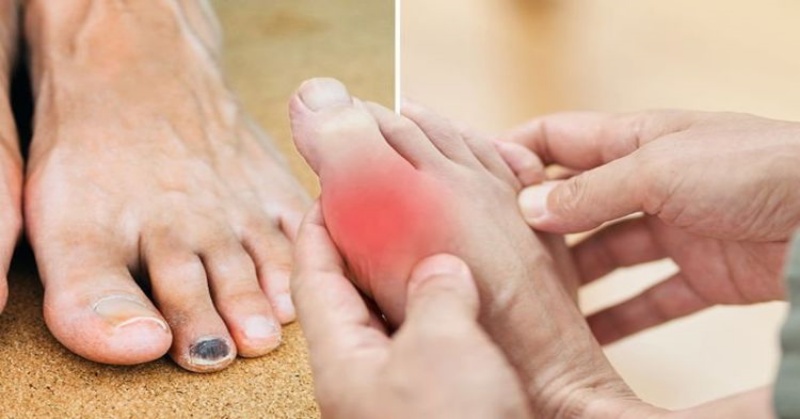
Cholesterol is a waxy, fatlike substance that is produced by the liver for the formation of cell membranes, vitamin D and balancing hormones. Being insoluble in water, cholesterol is transported to different parts of the body through a particle called lipoprotein, which has a specific protein on its surface. Only when cholesterol combines with the high fat and low protein content lipoprotein to form Low-density lipoproteins (LDL) then it be harmful to the body. This problem arises when your diet is rich in unhealthy fatty foods and on top of that, you live a sedentary life. The LDL starts building in the arteries, blocking and narrowing them, which over time can lead to heart attack and stroke.
How the symptoms can reflect in legs
The most dangerous thing about cholesterol build-up is that the condition shows no symptoms until it reaches a dangerous level and starts affecting your daily life. The only way to diagnose and prevent it is by getting a regular blood check-up. When the cholesterol level rises in the blood to an extreme level, it starts affecting the Achilles tendon of your legs. This, in turn, can lead to visible symptoms in your legs. Here are some that you need to look out for:
1. Leg pain
When cholesterol rises, blood and oxygen cannot reach the legs properly. Especially in the lower part of the foot. With that the legs feel heavy, a little fatigue comes. People who have high cholesterol levels have leg cramps and pain. And this pain is more understandable when you walk. It is very difficult to walk even the smallest distance.
2. Holds cramps in the legs
Often cramps in the legs are one of the reasons for the increase in cholesterol. And these cramps are most common in the ankles. The most common problem is sleeping at night. If you have such a problem, sit with your legs dangling. You can get some comfort in it.
3. Changes in skin and nail color
If there is a problem in blood circulation, the color of the nails also changes. At the same time essential nutrients and oxygen do not arrive properly. This makes the lower part of the foot quite shiny and the nails become thick.
4. Cold feet
Remember how your feet feel cold during chilly winter days. High cholesterol levels can make your feet the same way all around the year. Even in summer, your feet will feel cold when you will touch them. It is an indicator of PAD. Do not ignore it and talk to your doctor.